 In urban planning, a buffer zone is an area that separates different land uses to reduce conflicts and negative impacts between them. Like between houses and noisy motorways or houses and smelly industries. Or it can be protective like the demilitarized zone between North and South Korea. Did you know about the buffer zones in the book of Exodus?
The book of Exodus has two main sections, God rescues the Israelites from Egypt (Ch 1-18), and God establishes a covenant with the Israelites (Ch 19-40).
When they left Egypt, “By day the Lord went ahead of them in a pillar of cloud to guide them on their way and by night in a pillar of fire to give them light, so that they could travel by day or night” (13:21NIV). God was with them all the way. But there was a buffer zone between God and the people.
God made a covenant with them at Mount Sinai. He came down to the mountain in a “dense cloud” (19:9) and Moses was the only person allowed on the mountain. God said, “whoever touches the mountain is to be put to death” (19:12).
“There was thunder and lightning, with a thick cloud over the mountain, and a very loud trumpet blast. Everyone in the camp trembled” (19:16). And “When the people saw the thunder and lightning and heard the trumpet and saw the mountain in smoke, they trembled with fear” (20:18).
There was a large barrier between the people and God. This is because God is sinless, and people are sinful. Sinners can’t come near a sinless God. Moses alone was set aside by God as a mediator who could come near to Him. He went up and down the mountain to communicate between God and His people. He bridged the buffer zone.
After Mount Sinai, God dwelt in the tabernacle. It was God’s residence among His people on earth. The tabernacle showed the holiness of God and the sinfulness of people.
The tabernacle had 3 buffer zones. There was a curtain that restricted entry to each of them.
– Only Jews could enter the courtyard, where they could offer sacrifices.
– Only priests could enter the first room to tend the table with 12 loaves of bread, the lampstand and the altar of incense.
– Only the high priest could enter the inner room (the Most Holy Place) where God dwelt.
It was once per year with a sacrifice for the sins of the people. Animal sacrifices were made for the sins of Israel as substitute deaths in the place of sinners.
So there were buffer zones between God and people at Mount Sinai and the tabernacle. The whole mountain was a buffer zone where people were not allowed. They were excluded. And there were three zones in the tabernacle where certain people were not allowed. They were excluded.
The book of Hebrews shows that Jesus is greater than the high priest because He died, rose, and ascended into heaven to secure our salvation. He did this once for everyone. When He died the shielding curtain in the temple was torn from the top to the bottom symbolising the opening of direct access to God through Jesus Christ (Mt. 27:51). By his blood (death), Jesus entered the Most Holy Place (Heb. 9:11-14). And we can now “enter the Most Holy Place by the blood (death) of Jesus,” showing that through Christ, we have a new and living way to come into God’s presence (Heb. 10:19-21). The buffer zone was destroyed.
The buffer zones in Exodus show us that God is accessible, but He is also holy and set apart. The proper way to approach God, requires a sense of awe, reverence and respect. God’s holiness requires separation from sin. While we have direct access to God through Christ, we must still honour His holiness.
Prayer
Father God, we realise that the events at Mount Sinai were awesome. The people trembled with fear at your power, glory and holiness. They were at a distance and very aware of the buffer zone between them and yourself caused by their sin.
Likewise, most people were prohibited in the tabernacle. We thank you for the sacrificial system that required continual animal sacrifices because of their ongoing sins. This was a pattern prophecy of how you would destroy that buffer zone.
We thank you for sending Jesus to die for the sins of all the people of the world. Through His death our sins can be forgiven, and we can look ahead to a home in heaven. In this way, Jesus is better than Moses and better than the Jewish high priest. In Christ’s name, Amen.
G Hawke
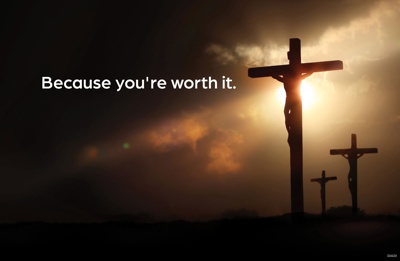 The L’Oreal slogan “Because you’re worth it” spearheaded a revolution in beauty product marketing. The original line “Because I’m worth it,” spoken by a woman directly to camera in the 1971 L’Oreal tv commercial, broke the mold of women’s beauty products being about women being attractive to men. Rather, the groundbreaking commercial celebrated the woman’s perspective and experience of her hair care and self-worth without mention of a man.
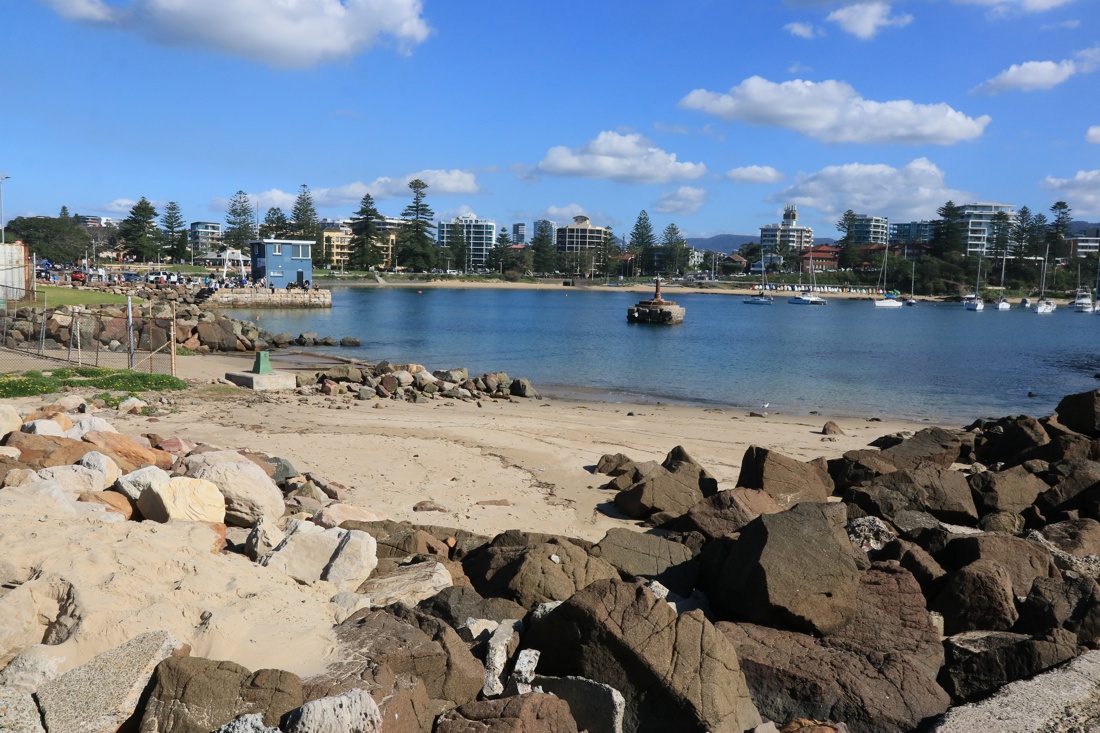 Walk with Sydney Christian Bushwalkers on 31 May 2025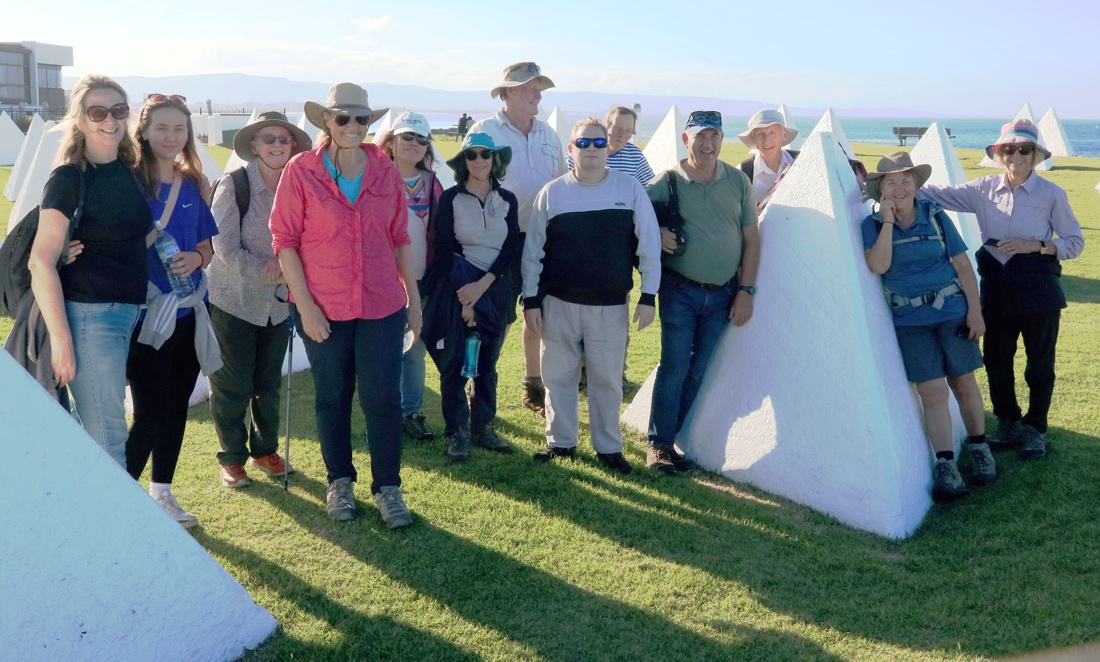
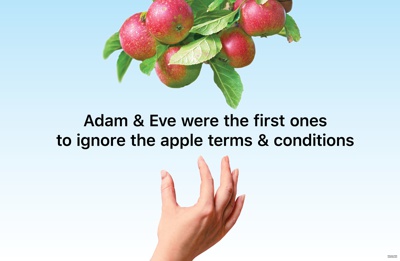 The terms and conditions (T&Cs) of the multinational tech company, Apple, have been the subject of controversy. The T&Cs length, complexity, and potential to be used to entrench Apple’s market power have led to serious criticism. Can we compare Apple’s T&Cs to the T&Cs God put in around the “apple” of the Garden of Eden?
 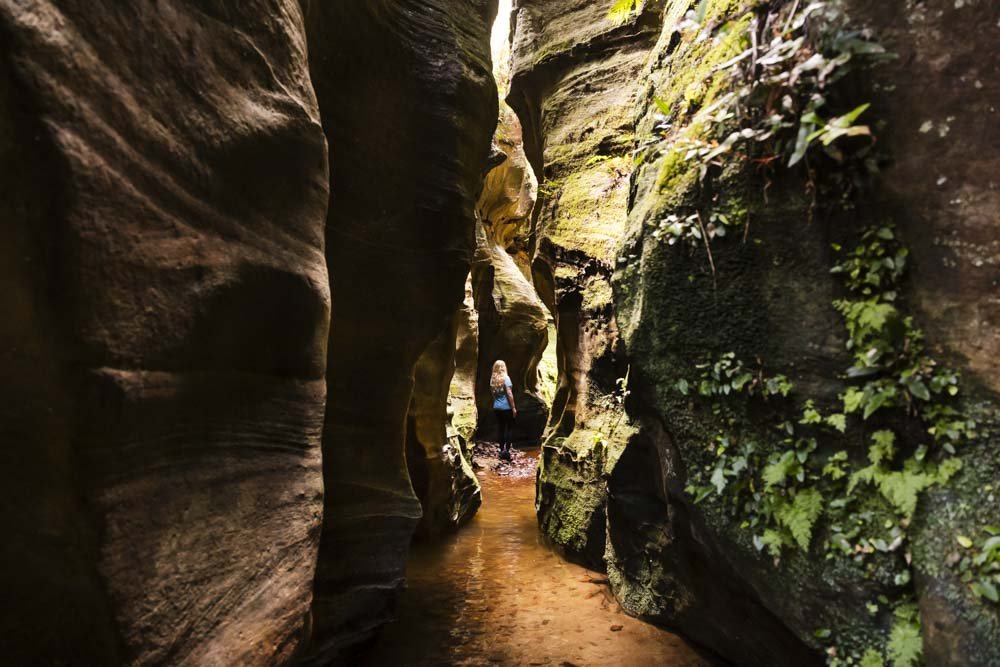 Walk with Sydney Christian Bushwalkers on 3 May 2025
 Walk with Sydney Christian Bushwalkers on 31 August 2024
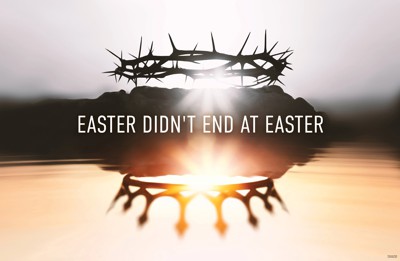 What do you like to do on the Easter long weekend? Most of us get two extra days off giving us the opportunity to go away, spend time with friends or family, relax at home or do something a little different to our normal weekends. Our family tradition is to spend the weekend in the beautiful autumnal Blue Mountains of New South Wales, staying with friends, eating, drinking and playing together.
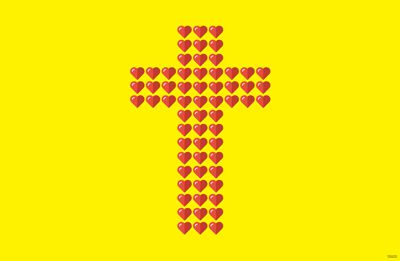 What does the death penalty have to do with love? The crucifix was a brutal means of capital punishment in the ancient Roman empire. Death by crucifixion could take between 6 hours and 4 days resulting from excessive bleeding, dehydration or progressive suffocation. It was an extremely painful and shameful way to die, inflicted upon those considered repugnant. And yet today we hang pretty crosses from our ears and necks, tattoo them into our skin, hang them on our walls – bejeweled, ornamental, celebrated.
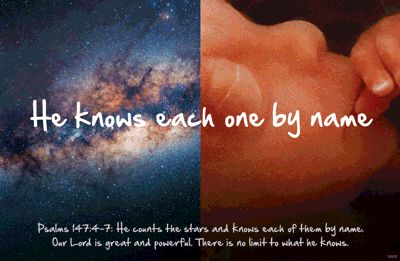 Have you seen those images comparing the size of the earth to the sun and then comparing the sun to other supergiant stars? The size of our galaxy, the size of the universe is beyond human comprehension. In comparison, we, our lives, our whole world, are minuscule… tiny, microscopic specks floating in infinity. It’s the kind of stuff that may bring on an existential crisis. But the Bible makes a different point.
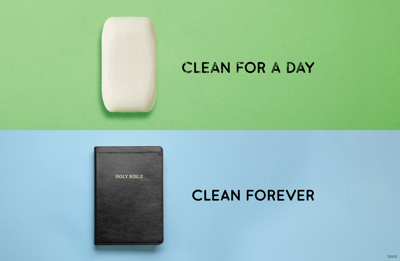 Sometimes getting dirty can be fun. Painting, cooking, gardening, sport, can all be activities we do for fun that may get us a little messy. Sometimes getting clean can be fun. Having a shower and putting on fresh clean clothes after a sweaty, muddy, soccer game feels great.


























 North Ryde Christian Church